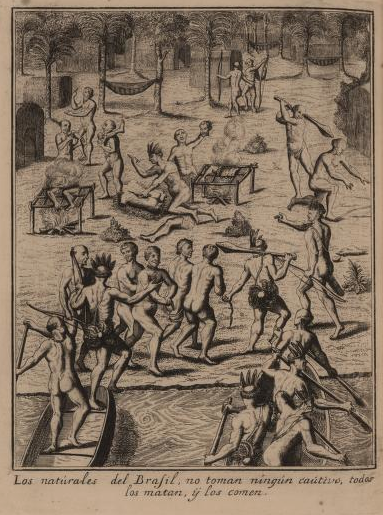
In the year 1500, Pedro Alvares Cabral arrived in Brazil with multiple Portuguese sailors after failing to arrive at their orignial destination, South Africa. Brazil became a colony of the Portuguese as they claimed the land for themselves in order to profit off of it. Using things such as the production of "Brazilwood", which was a red wood found from trees in Brazil which quickly became one of their main exports. Sugar, which was processed from sugar cane grown in Brazil in "engenhos", which translate to mill or machine. and later even mining gold in order to profit off of their newfound colony. In order to support this they needed labor, which they got from slaves, who had to do all the labor and were treated very poorly while their masters profited off them.
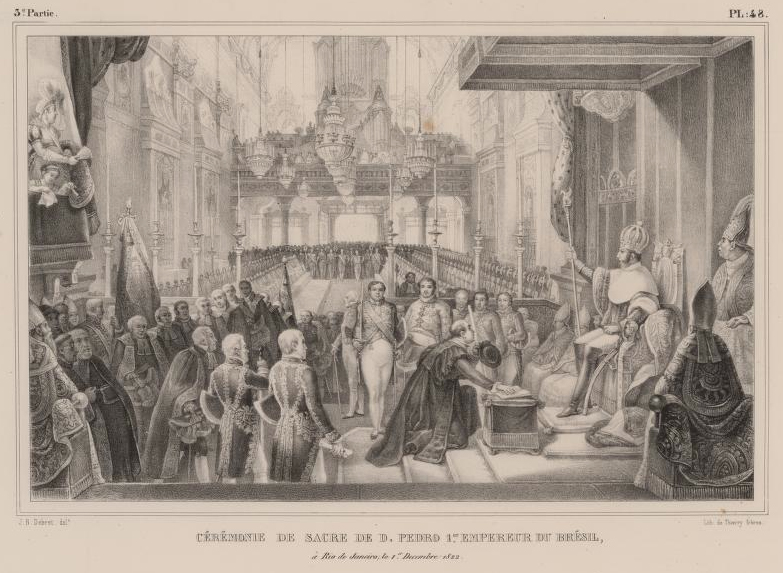
In the year 1807, the Portuguese Court fled from Europe due to an oncoming invasion from Napoleonic troops and mounting pressures from the British and French. They arrived in Brazil, their largest colony, in 1808. Starting Brazil's movement towards independence with new enlightenment ideals and culture being introduced. In 1822, Pedro I playing a key role in Brazil's history declared Brazil's independence, making them an independent nation and setting his son Pedro II up for a long rule.